


Supporting Those in Grief
How do you give grief support to family and friends who have recently lost a loved one?
Death and dying are a normal part of life. But the impact on the human mind and body when facing extreme loss is far from normal. Studies show that bereavement not only affects sleep, energy, attention span, and social interactions, but being thrown into this strange new unwelcomed world can create immune system dysfunction, heart irregularities, and muscle weakness. (Bereavement et al.)
When someone I care about enters this grief journey, I always feel inadequate because I don’t know what to say or how to help. I recall saying some really dumb things on more than one occasion. I’m not certain what I needed to hear when the losses landed on my doorstep.
After talking with those who have recently suffered loss and reading Nancy Guthrie's book What Grieving People Wish You Knew, I’ve gathered some helpful suggestions for walking alongside friends and family in their most difficult moments.
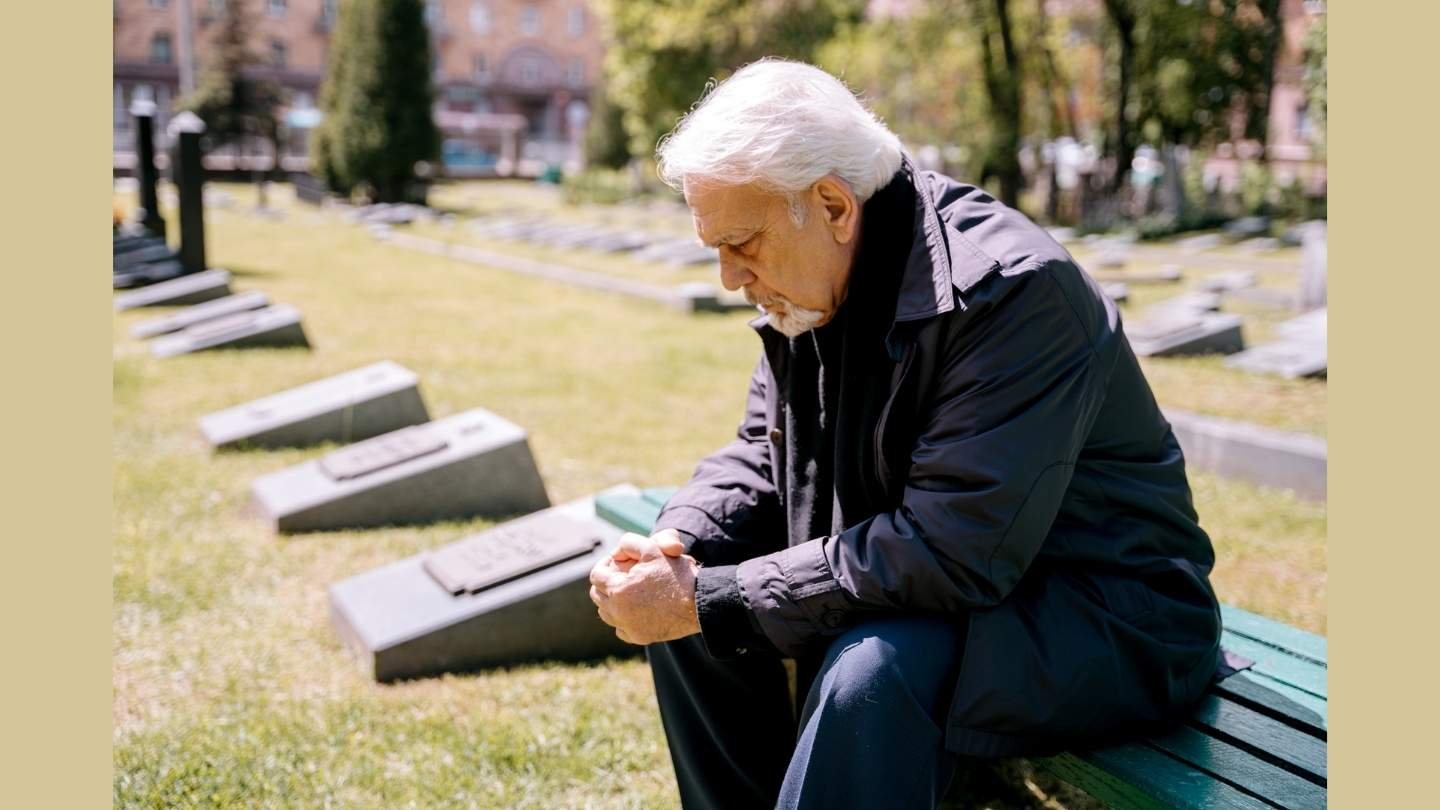
Grief Support: What You Shouldn't Do
- Say nothing! When I returned to work after the loss of my loved one, no one spoke a word. I get it. What do you say to someone who is grieving? But I wanted to talk. Say something, even if it’s the wrong thing. While some words are more comforting than others, silence is the most hurtful response of all.
- Compare losses - I’ve experienced some significant losses. But I still can’t fully comprehend the loss my friends feel, given their unique circumstances.
- Blame it on the divine. I know God is in control. I believe that firmly. But I believe the heart of God breaks when my heart breaks. It’s sometimes possible to look back and see God at work in even the most painful separation. But avoid trying to explain why God allowed it or planned it during the grieving process. Only God truly understands the “why.”
- Trying to fix it. You can’t.
- Giving advice on what to do next. It’s too early for that. It’s really tough for me not to say, “You should read this book” or “You should talk to that person.” But my grieving friend may be overwhelmed with survival. He or she is not ready to take life-lesson courses.
- I have frequently asked, “How are you?” However, there’s no good answer to that question. Ask this further down the road.
- Dig for details. Allow the grieving person to share when they are ready and willing. We all want to know the specifics of how a loved one died. Maybe knowing will allow us to sidestep that end. Probably knowing won’t help us at all. When I worked through an early loss in my life, I wanted to share the specifics. Each time I shared, it hurt a little less. But for some people, the sharing is another knife wound. Allow the grieving person to choose when and with whom to share how it happened.
- Talk about yourself. Focus on them. I caught myself doing this not so long ago—when I lost this person, I did this and that, or I felt immobilized for so many months. Someone in emotional pain probably doesn’t want to review your darkest moments. They have enough to work through.
- Avoid the pain. We feel bad if we say something that brings more tears, but tears are healing. And pain is part of the natural process of moving from the life that was to the life that is. We can’t step over it. We must walk through it.
- Change incorrect thinking. Sometimes, grieving people make inaccurate statements about the why or what they could have done to prevent death or who is to blame. If you are an intimate family member or friend, you may be able to address these inaccuracies at a later time.

Grief Support: What To Do Instead
- The most important thing to do is to let the grieving person know you care. Simple words like “I’m sorry for your loss,” “I care,” and “I’m sorry you have to go through this” are powerful enough.
- Share memories of the loved one. Most grieving people want to hear stories of the one they lost. Some time after my son died, a friend gave me a thank-you note my eight-year-old son had written to her husband, his Sunday school teacher. What a wonderful reminder of the tender-hearted little guy I so dearly loved.
- If you didn’t know the deceased person well, ask about them. “Tell me about your husband. Share your favorite memory.”
- Listen - Allow the grieving person to talk through their healing process. Don’t advise. Just listen.
- Weep - We often think it is our job to help the grieving person avoid tears. But tears bring healing. Don’t worry if what you say causes more tears. Don’t be afraid to add your own tears to their healing process. Join in the grieving process. Walk with them through the tears. Sometimes, I cry, not for the person who is gone, but for the pain of the one left behind.
- Send a note or card. Families often get a stack of cards within the first weeks. One of my widowed friends said, “I couldn’t deal with all the cards right away. I didn’t look at them until weeks later.” Send a card or note weeks, months, or even a year after the death.
- Remember special days - birthdays, holidays, anniversaries, the date of death - these are all hard to face after losing someone. Send a card, flowers, or offer words of comfort on those difficult anniversaries.
- Leave a prayer or comforting Scripture on voice mail or email. In Guthrie’s book, she shares how each member of a church group sent prayers or scriptures for the first year after another family’s loss.
- Preserve funeral flowers as a bookmark or paperweight.
- Turn an item of clothing into something useful. My daughter gave me pillows made from my mother’s favorite jacket and my son’s T-shirt (my son was a casual kind of guy). One lady I know collected the loved one’s dress shirts and jeans, turning them into a beautiful pillow and a quilt. (I was told she had never made a pillow and quilt before and took considerable time to learn how to make them.)
- Plant a tree in their memory.
- Donate to a favorite charity.
- Rather than asking what they need, figure it out and then take action. Think about your own tasks. A grieving person is barely able to care for basic needs. All the extras of daily life can be overwhelming:
- Pick up dry cleaning or iron clothes, especially those needed for the funeral.
- Clean the house or dust and vacuum high-traffic areas.
- Wash the car.
- Do yardwork.
- Tend the garden.
- Write thank-you notes.
- Decorate or undecorate for a holiday.
- Go grocery shopping: “I’m stopping at the store. Is there anything you need me to pick up?”
- Care for pets.
- Answer the phone and take messages.
- Make sure they have a supply of toilet paper or paper plates, napkins, and plasticware (for visitors in the coming days).
- Provide food - Invite them to your house so they don’t have to prepare their home for visitors. There’s an online calendar called Take Them a Meal to help coordinate meal sharing. If you deliver a meal, offer to stay and visit. Take restaurant food or restaurant gift cards, or go out to eat with them.
- Offer to drive the kids to sporting events and school activities, or just take the kids for a few hours.
- Help your friend find a nearby grief support organization, such as Hospice, Grief Share, or The Caring Place by Highmark. Attend sessions with them until they feel comfortable attending without you.
Sources Used:
Bereavement, Institute of Medicine (US) Committee for the Study of Health Consequences of the Stress of, et al. “Toward a Biology of Grieving.” Www.ncbi.nlm.nih.gov, National Academies Press (US), 1984, www.ncbi.nlm.nih.gov/books/NBK217841/.
Guthrie, Nancy. What Grieving People Wish You Knew about What Really Helps (and What Really Hurts). Crossway, 2016.
More on Grieving:
